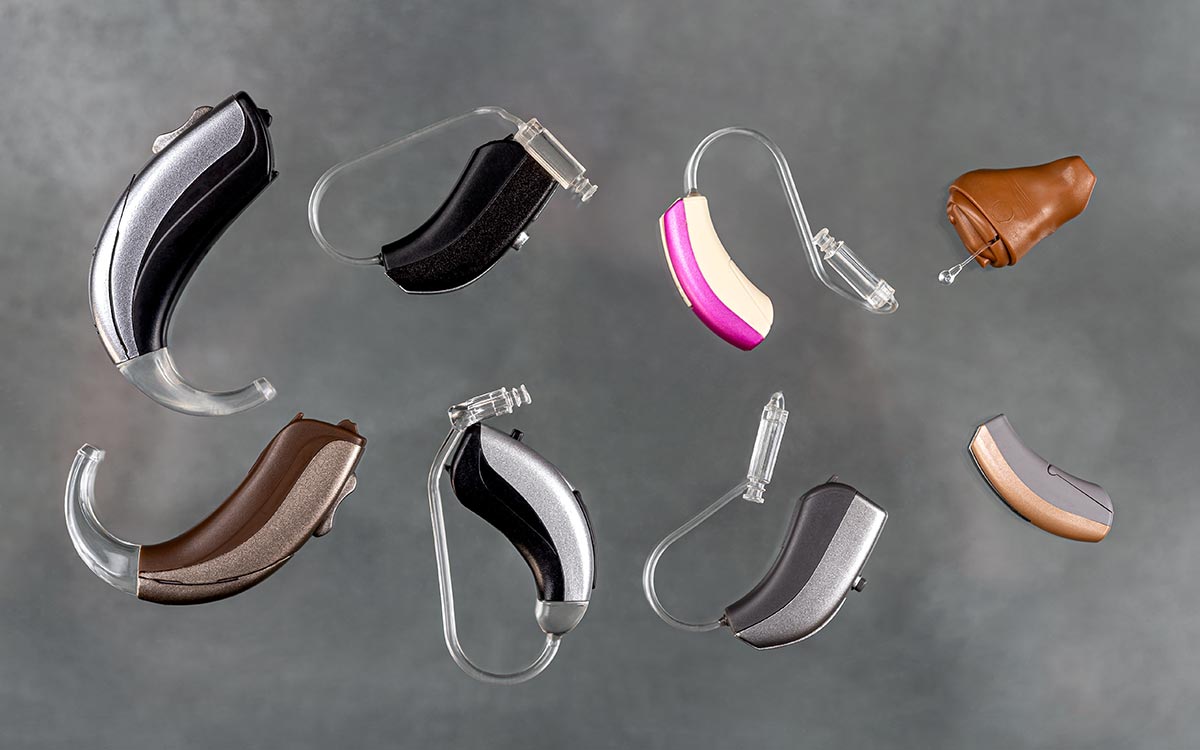
With so many options in terms of dimensions, style, and technology, the process of picking a hearing aid can feel quite intense. However, an expert hearing solution exists for every person’s singular needs and daily habits. The key is merely identifying the one that fits you best.
Understanding the differences among the most popular types of hearing aids can help you feel more informed and confident as you explore your options. We are planning to analyze the primary styles available today to help you understand what sets each option apart.
Understanding ITC Models
The Layout:
ITC hearing aids rest partly in the ear canal, with a small portion visible at the outer ear.
Why people select them:
- Offers a smaller profile than bulkier behind-the-ear units
- Tailored to the unique shape of your ear
- A useful choice for those with moderate hearing needs
First-time wearers often lean toward ITC aids because they strike a perfect compromise between size and performance.
Exploring IIC (Invisible-in-Canal) Choices
Core Characteristics:
As the most discreet custom selection, IIC aids represent the smallest available style. They are placed deep within the canal to remain hidden from view.
User Benefits:
- The best choice for patients prioritizing appearance
- Pure sound quality due to microphone placement
- A feather-light build makes them easy to wear all day
IIC devices are primarily aimed at those with moderate hearing needs who want their technology to remain completely unnoticed.
Understanding In-the-Ear (ITE) Units
Structural Info:
ITE devices are constructed to stay in the outer ear area, offering two different shell sizes based on your anatomy. These are custom-fabricated for a precise fit based on your ear’s anatomy.
The Advantages:
- The bigger size makes it feasible to include more internal components and longer-lasting batteries
- The physical size is simpler to hold and adjust for users with fine motor concerns
- A versatile option that can address even significant levels of hearing loss
ITE models are frequently selected by individuals who want a simple, all-in-one design without behind-the-ear components.
BTE (Behind-the-Ear) Basics
Technical Detail:
These devices sit on the external ridge of the ear’s anatomy. These models use a custom earmold or tubing to funnel sound inside.
Reasons for Selection:
- Known for remaining exceptionally adaptable and robust
- Provides an extensive selection of amplification suitable for nearly any user
- The spacious housing allows for high-tech extras and built-in power cells
If you need a robust hearing aid that is easy to operate and offers high-power output, the BTE style is ideal.
Receiver-in-Canal (RIC) Hearing Aids
Mechanical Arrangement:
In a modern model, the speaker is detached from the main housing and placed inside the canal via a thin wire.
Why they are favored:
- Provides a remarkably crisp and lifelike listening experience
- The ultra-thin style is both light and nearly effortless to wear
- An adaptable solution that works for various degrees of auditory needs
The combination of style and high-end performance makes RIC models a top choice in the modern market.
Understanding Extended-Wear Systems
Operational Details:
These devices are placed far in the ear canal by a hearing professional and can stay in place for several weeks at a time.
Why people select them:
- Eliminates the requirement to place in or take out the device every day
- Nearly invisible
- Designed to be worn throughout everyday activities, including sleeping and exercising
Extended-wear devices are ideal for those who want an effortless approach.
Connected Hearing Systems
What they represent:
These are modern units equipped with radio technology to sync with your personal electronics and televisions.
Why users select them:
- Stream calls, music, and audio directly to the hearing aids
- Provides a discreet way to manage your hearing environment from your mobile screen
- Improved ease for modern lifestyles
Bluetooth options are accessible across many styles, including RIC, BTE, and some ITC models.
Understanding Middle-Ear Implant Systems
What they represent:
A surgically implanted device that directly vibrates the middle ear bones to amplify sound.
Who they are serving:
- An accessible route for patients who are unable to wear standard acoustic devices
- Great for users who experience persistent irritation from standard molds
Middle-ear implants are typically recommended only after a full evaluation by a hearing specialist.
Choosing the Right Style for You
Selecting an instrument is an individualized journey that takes into account your hearing severity, lifestyle habits, and visual preferences. An expert care professional can lead you through your choices, answer questions, and help you experience how different devices look and feel.
If you’re prepared to investigate the possibilities, schedule an auditory evaluation today. Your future of assured communication starts with this first evaluation.
Sources:
https://www.mayoclinic.org/diseases-conditions/hearing-loss/in-depth/hearing-aids/art-
20044116
https://www.hearinglife.com/hearing-aids/types
https://www.nidcd.nih.gov/health/hearing-aids