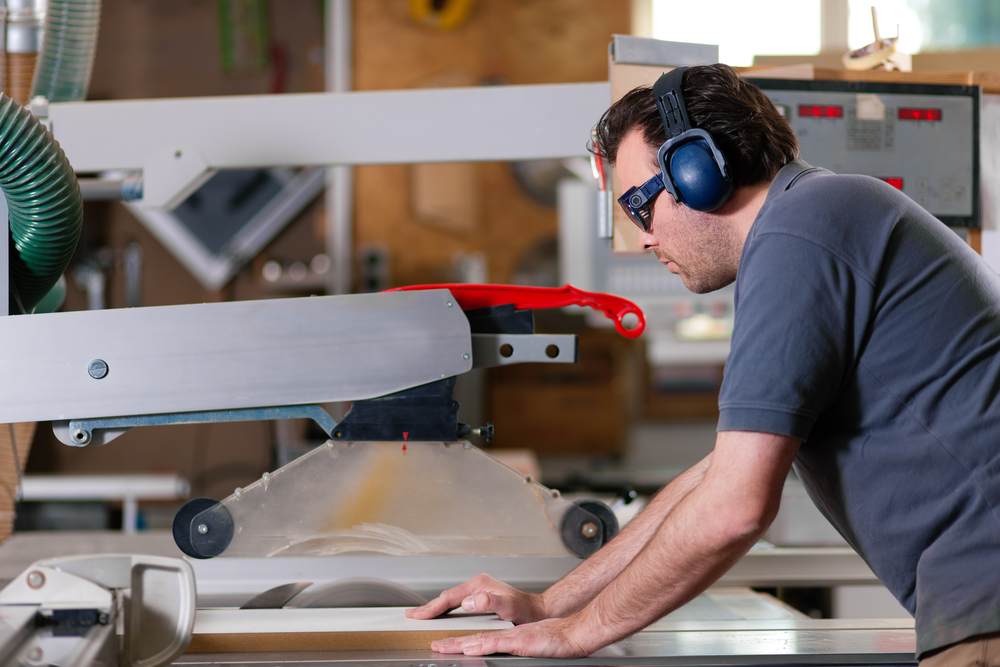
Working an extended time around loud noise can negatively impact your hearing, especially when sound intensity goes past safe limits. Protecting your ears is paramount—not only for warding off hearing loss but also for preserving focus in noisy surroundings. Consequently, what steps should you follow to identify the ideal hearing protection level matched to your situation?
Interpreting noise volume and its ramifications
Noise damage relies not only on the loudness of the sound but also on how much time you are exposed to it. Decibels are the primary unit for measuring sound levels and quantifying sound intensity. Once noise gets to a level of 85 dB or above, it poses a risk to your hearing, mainly if the exposure is prolonged.
As a frame of context, 85 dB is approximately the same volume as the sound of city traffic perceived from within a car. Though this loudness might not seem excessive, spending eight hours in it non-stop can cause hearing impairment. The safe duration of exposure becomes brief when the sound is louder:
- Damage can result with up to 4 hours of exposure at 90 dB (Lawnmower).
- Exposure to 100 dB (Power tools) must be restricted to a maximum of 60 minutes.
- Only 15 minutes of exposure to 110 dB (like a Leaf blower) is enough to cause harm.
- Even momentary exposure to 120 dB (e.g., a Rock concert) is enough to cause hearing damage.
- 140 dB (Jet engine): Immediate damage and pain can occur.
Identifying risky noise levels
If you’re often exposed to noise levels of 85 dB or more, wearing hearing protection is vital. The need for protection is amplified in work settings, including factories and construction, or in any place where engines, gear, or tools create significant noise.
Hearing protection is also beneficial outside of the job; activities like attending music shows, operating leaf blowers, or participating in shooting sports can expose you to dangerous sound levels.
The importance of Noise Reduction Ratings (the NRR) in choosing
The Noise Reduction Rating (the NRR) is the primary metric employed to measure how well hearing protection functions. This rating signifies how much sound the protector can reduce, given in dB. Higher NRR values deliver better protection. As an example, earplugs rated at 30 dB NRR will decrease an 85 dB noise to 55 dB, ensuring you remain safely below the danger boundary.
In selecting protection, you must gauge the precise noise levels you are exposed to and confirm your chosen device reduces the sound sufficiently to remain under 85 dB.
Why comfort is crucial for wearing hearing protection consistently
The NRR is certainly important, but comfort is a similarly significant component in achieving consistent, long-term use. If hearing protection feels ill-fitting or bulky, you may be likely to remove it—leaving your ears vulnerable to damaging noise.
Choosing comfortable hearing protection ensures consistent wear, thus lowering the risk that you will be exposed to noise occasionally. To illustrate, heavy or uncomfortable earmuffs may be removed by the wearer occasionally, subjecting their ears to damaging sound levels.
What are the types of hearing protection?
Different varieties of hearing protection exist, and each one features unique benefits and drawbacks:
- Inside the ear canal, Foam Earplugs provide superb noise reduction. They are disposable and light, yet some individuals may find them uncomfortable.
- Resting right outside the ear canal, Pre-Molded Earplugs are reusable and thus a more eco-friendly choice. They are simpler to take out and put in than their foam counterparts.
- Earmuffs: Earmuffs cover the entire ear and are ideal for environments with fluctuating noise levels, as they’re easy to put on and take off. However, they may feel heavy or warm during extended use.
The optimal type of protection to select is dictated by your own preference and the requirements of the setting you are in. An instance is construction workers preferring earmuffs for their easy convenience, while factory workers may choose earplugs for a continuous period of wear.
Maintaining steady use of protection
The most highly effective hearing protection is the one you’ll wear continuously. Taking off the protection for even a few minutes can result in long-term harm to your hearing. It is vitally important to find a solution that optimizes between comfort, protection, and convenience for this reason.
Safeguard your hearing for the long term
While noise is an unavoidable part of life, appropriate hearing protection allows you to secure your hearing while still enjoying the sounds surrounding you.
To review the most effective methods for protecting your hearing health and evaluating your potential for noise-related hearing damage, please contact us now.